

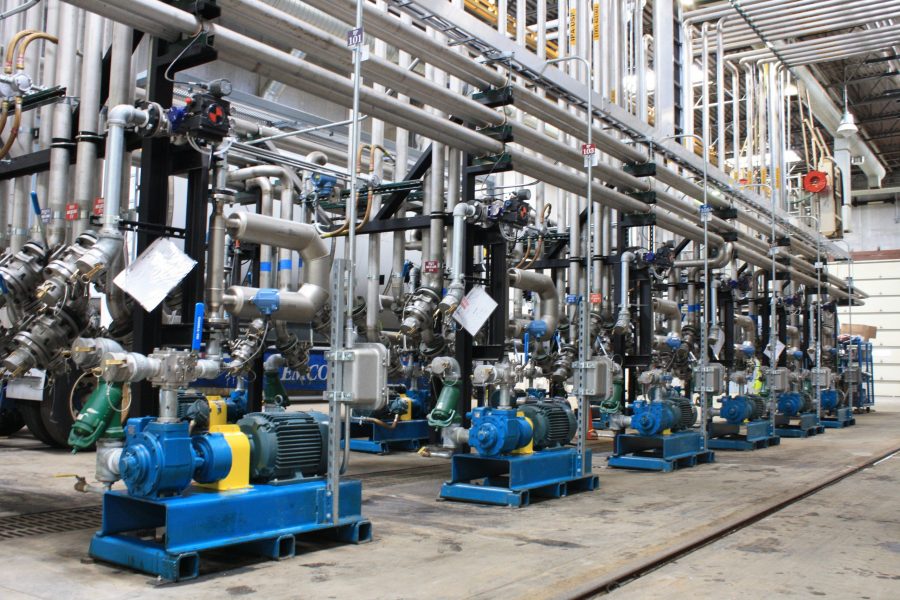
India’s industrial strength draws from its ability to navigate the challenges of its climate, particularly the monsoon season, which pours life into its fields and tests its infrastructure. At the heart of this resilience lies the production of pump parts castings, the sturdy components that keep water flowing for farmers, factories, and cities. This exploration uncovers how India crafts these vital castings, merging old-school craftsmanship with modern tech to meet the demands of harsh environments and global markets. From the muddy fields of Bihar to the export hubs of Gujarat, the story of India’s pump castings is one of grit, innovation, and global reach, backed by hard facts and real-world examples.
Monsoon’s Push and Pull on Pumps
The monsoon, dumping 80% of India’s rain from June to September, is both a blessing and a hurdle. It waters crops but also brings floods and droughts when it falters, making pumps—and their castings—essential for keeping water where it’s needed.
Rain’s Make-or-Break Role in Farming
When the monsoon stumbles, delaying by even a week, crops like rice and pulses suffer, with yields dropping by up to 15%. Farmers in places like Maharashtra lean on centrifugal and submersible pumps to bridge the gap. These pumps need castings that can take a beating from sandy soils and uneven water flow. Kirloskar’s KS series pumps, built with rugged castings, keep fields green even when rains play hard to get, ensuring steady irrigation in tough conditions.
Floods and the Fight Against Rust
In flood-prone spots like Assam, pumps face torrents of muddy water and debris. Castings made from stainless steel or ductile iron stand up to rust and wear, keeping submersible pumps running in messy conditions. SuperQualiCast in Gujarat builds parts that shrug off salty coastal water, vital for farms along Tamil Nadu’s shores where corrosion is a constant threat.
Government Boost for Water Systems
Subsidies covering up to 80% of pump costs in states like Uttar Pradesh have put irrigation within reach for small farmers. Big projects, like the Sardar Sarovar Dam, depend on pumps with castings tough enough for high-pressure jobs. Government plans to expand irrigated land by 12% have only ramped up the need for reliable, long-lasting castings.
Crafting Castings That Last
Pump castings are the backbone of reliable water systems, built to handle everything from gritty farm water to industrial fluids. India’s foundries have dialed in the mix of materials and methods to deliver parts that are both tough and precise.
Materials Built for the Job
Gray cast iron, with its knack for handling pressure, is a go-to for pump casings in rural settings. Ductile iron, bendy yet strong, works for heavy-duty wastewater pumps. Stainless steel, like SS 316, fights off rust in salty coastal waters. Shilpan Steelcast in Rajkot tweaks alloys to fit specific needs, like high-pressure pumps for Rajasthan’s parched fields.
Investment Casting’s Precision Edge
Investment casting churns out parts like impellers with razor-sharp accuracy, down to ±0.05 mm. Foundries like Rainbow Technocast use wax molds and ceramic shells to pour metal, cutting waste by 25% compared to older methods. This precision is a game-changer for drip irrigation pumps in Telangana, where efficiency saves every drop.
Sand Casting’s Budget-Friendly Approach
For bigger parts or cash-strapped markets, sand casting keeps things affordable. Its wider tolerances, around ±2–4 mm, mean extra machining, but it’s a solid pick for rural farmers in Madhya Pradesh needing cheap, reliable pumps. It’s not fancy, but it gets the job done.
Testing to Keep Standards High
Foundries don’t mess around with quality. Spectrometers check alloy blends, while X-rays and ultrasonic scans hunt for hidden cracks. Hi-con Technocast ensures parts meet ASTM A351 standards, making them ready for everything from city water lines to oil rigs.
India’s Foundry Muscle
India’s foundry scene, one of the biggest globally, is the engine behind pump parts castings. With hubs in Gujarat, Tamil Nadu, and Maharashtra, it’s a mix of skilled workers, smart tech, and low costs that powers both local and global markets.
Hubs of Expertise
Rajkot, Gujarat, nicknamed the “casting capital,” is home to over 600 foundries like Aksar Engineering Works, pumping out castings for irrigation and industry. Its port access makes exporting easy. Coimbatore, Tamil Nadu, focuses on precision, with Inovacast crafting rust-proof parts for coastal pumps. These hubs tackle India’s varied needs, from desert farms to city sewers.
Skilled Workers, Big Ideas
The sector’s 1.7 million workers are trained in everything from mold-making to quality checks. Metflow Cast keeps its team sharp with training on tools like 3D-printed molds, letting them tailor castings for niche jobs like micro-irrigation pumps or urban drainage systems.
Affordable Quality
India’s castings cost 25% less than Western ones, yet match global standards like ISO 9001:2015. Gujarat Metal Cast Industries offers investment castings 20–30% cheaper than European rivals, drawing buyers from across the globe without skimping on durability.
Handling India’s Wild Environments
India’s landscapes, from Rajasthan’s dry plains to West Bengal’s soggy deltas, demand castings that can take a beating. Manufacturers step up with parts built to last in extreme conditions.
Standing Up to Coastal Salt
Salty water along Andhra Pradesh’s coast chews through metal, so pumps need castings that fight back. Stainless steel and duplex alloys from Accucast hold strong, keeping submersible pumps humming for coastal farms and fish ponds.
High-Pressure Pumps for Dry Zones
In Rajasthan, where water hides deep underground, pumps grind hard to pull it up. Alloy steel castings from Kothari Group handle the pressure and grit, powering drip irrigation that lifts crop yields by 25% in arid lands.
Flood-Ready Gear
West Bengal’s floods bring water and junk that can clog pumps. Ductile iron castings, built to take a hit, keep storm drains and flood pumps running. Orson Techno Cast designs these to handle heavy debris, keeping towns and fields dry.
Casting Challenges and Clever Fixes
India’s pump casting industry isn’t just about production—it’s about problem-solving. Foundries across the country constantly face and overcome technical obstacles, especially those tied to diverse water conditions, inconsistent power supply, and demanding environments.
Tackling Abrasive Waters
In agricultural zones where pumps handle silty or sand-filled water, abrasion severely reduces part life. To address this, specialized surface treatments and coatings have been developed, significantly extending wear resistance. Some castings now feature ceramic-lined interiors or carbide coatings that improve durability without sacrificing flow efficiency.
Combating Corrosion and Scaling
Regions with brackish or chemically active groundwater present a different challenge: corrosion and scale buildup. To counteract this, foundries have shifted toward duplex and super-austenitic alloys that enhance corrosion resistance. Design adaptations, such as smoother inner surfaces and anti-scaling geometries, also reduce internal buildup and prolong operational life.
Enduring Electrical Instability
In areas with erratic power supply, voltage drops can trigger overheating and stress within pump casings. This has led to thermal optimization in casting designs, such as integrated heat dispersion fins and alloy tweaks that maintain mechanical strength under fluctuating electrical loads.
Tech Shaping the Future
India’s foundries are leaning into tech to make castings better, greener, and smarter, keeping the country ahead in the pump game.
Automation for Cleaner Work
Robotic arms and CNC machines at Shilpan Steelcast cut defects by 15%, making production smoother. Rainbow Technocast’s real-time monitoring catches flaws early, ensuring impellers work flawlessly in critical pumps.
Greener Ways to Cast
With eco pressures rising, foundries like Hi-con Technocast use recycled metals and efficient furnaces, cutting emissions by 20%. Investment casting’s lean approach reduces scrap, appealing to buyers who care about the planet.
Smart Parts for Smart Systems
RFID-enabled castings are popping up, letting city water systems track pump performance and save 10–15% on maintenance. These fit India’s push for smarter cities, where water management is key.
India’s Global Game
India’s pump castings aren’t just for home—they’re hitting markets worldwide, thanks to quality, custom options, and low prices.
Exports on the Rise
In 2023, India’s $1.4 billion pump market fueled exports to over 60 countries. Shakti Pumps ships castings to the Middle East and Africa, where irrigation and industry are booming. Meeting DIN EN 733 standards keeps them competitive.
Customization Wins
Indian foundries like Metflow Cast offer over 60 alloy options, tailoring parts for jobs like high-heat oil pumps. This flexibility, plus low costs, gives India an edge over cheaper but less reliable competitors like China.
Hurdles to Clear
Investment casting’s 3–5 week lead times can slow things down, and East Asian rivals keep prices low. Indian firms push back with innovations like lightweight composites to stay in the game.
Real-World Proof
The impact of pump parts castings shows up in projects changing lives, from vast irrigation schemes to city flood defenses.
Kaleshwaram’s Water Lifeline
Telangana’s Kaleshwaram project, a massive irrigation effort, uses Andritz pumps with castings handling 90 cubic meters per second. These tough alloy parts water 800,000 hectares, helping millions of farmers in dry zones.
Jain’s Water-Saving Systems
Jain Irrigation’s drip setups, powered by Inovacast’s low-pressure castings, save water and boost yields by 35% in Maharashtra’s thirsty fields, making farming smarter for smallholders.
Chennai’s Flood Fight
Chennai’s rainy season tests its drains. Accucast’s ductile iron castings handle heavy flows, cutting maintenance costs by 12% and keeping the city drier.
Gujarat’s Industrial Power
In Gujarat’s refineries, alloy steel castings from Gujarat Metal Cast Industries keep high-pressure pumps running at 300°C, ensuring smooth operations in tough settings.
Sustainability and the Road Ahead
With groundwater running low and climate shifts shaking things up, India’s pump castings are evolving to keep water flowing sustainably.
Easing Groundwater Strain
India pulls 60% of its irrigation water from the ground, stressing reserves in Haryana. Solar pumps with Shakti Pumps’ castings cut reliance on cheap power, making irrigation greener.
Ready for Climate Shifts
Weird monsoons, with more droughts and floods, call for tough castings. Kothari Group’s parts for sprinkler systems save 30% more water than old-school methods, key for unpredictable weather.
Policy and New Ideas
The Jal Jeevan Mission and Smart Cities push need advanced castings. Foundries are rolling out composites and IoT-enabled parts, lining up with India’s sustainable goals.
The Human Touch Behind Every Casting
Despite the rise of automation and advanced machinery, the success of India’s casting sector still depends heavily on human judgment, skill, and hands-on control. Every casting goes through a series of steps where precision and experience play a defining role.
Skilled Interpretation Over Automation
While CAD models and CNC systems provide structure, it’s still skilled technicians who assess mold quality, adjust mixes, and fine-tune process variables based on subtle cues—like the behavior of molten metal or the sound during mold compression. This sensory awareness adds a layer of refinement no sensor can replicate.
Training and Adaptability
Continuous training in modern techniques—such as 3D mold printing, vacuum-assisted casting, and precision testing—has made workers more versatile. With cross-functional knowledge, teams can switch between methods like investment casting and sand casting, adjusting parameters quickly to meet specific project needs.
Precision Backed by Experience
Each casting reflects a fusion of data-driven design and real-world experience. Material tolerances, solidification times, and shrinkage rates are managed not only through software but also through accumulated knowledge of how different alloys behave in India’s varying climates and use-cases.
Wrapping It Up
India’s knack for pump parts castings turns climate challenges into industrial wins. From soaking wet fields to global markets, these castings keep water moving. With skilled hands, fresh tech, and a green focus, India’s set to lead the charge in pump castings, tackling the world’s water woes head-on.