

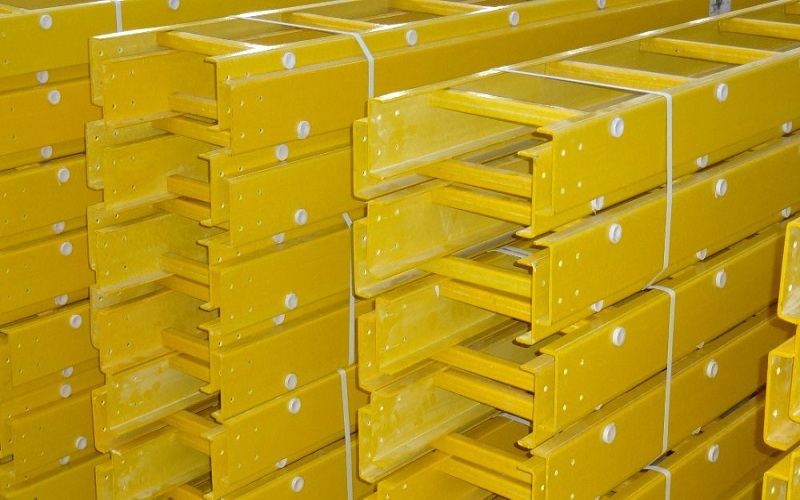
FRP molded gratings have become one of the most preferred alternatives to traditional steel and aluminum grating systems. Whether in chemical plants, marine environments, water treatment facilities, or industrial walkways, FRP molded gratings offer unmatched durability, corrosion resistance, and long-term value. As industries look for solutions that can withstand harsh conditions while keeping workers safe, FRP (Fiberglass Reinforced Plastic) gratings stand out as a smart, cost-effective choice.
What Are FRP Molded Gratings?
FRP molded gratings are structural panels made by interweaving continuous fiberglass rovings in a mold and saturating them with a thermosetting resin. Once cured, the result is a strong, lightweight, and corrosion-resistant grating panel. Unlike metallic gratings, FRP does not rust, conduct electricity, or absorb moisture — making it ideal for corrosive or safety-critical environments.
These gratings are available in different resin systems such as polyester, vinyl ester, and phenolic, depending on the level of chemical resistance and fire retardancy required.
Key Features and Benefits of FRP Molded Gratings
1. Exceptional Corrosion Resistance
One of the primary reasons industries choose FRP molded gratings is their resistance to chemicals, moisture, and salty air. In industries like petrochemical, marine, and wastewater treatment, exposure to corrosive elements is continuous. FRP gratings can endure this exposure without degrading, ensuring longer service life and lower maintenance costs.
2. High Strength-to-Weight Ratio
FRP molded gratings deliver impressive structural strength while remaining significantly lighter than steel. This high strength-to-weight ratio makes installation easier and reduces labor effort. Workers can often carry and install FRP panels without heavy machinery, saving both time and cost.
3. Slip-Resistant Surface
Safety is a major concern in industries where oil, water, or chemicals are present. FRP molded gratings typically come with an anti-skid, grit-coated surface that minimizes slipping hazards. This feature makes them ideal for walkways, platforms, and stair treads in wet or oily conditions.
4. Non-Conductive and Fire Resistant
FRP molded gratings do not conduct electricity, making them safer for environments where electrical hazards are present. With advanced resin formulations, these gratings can also meet stringent fire safety standards, providing added protection in high-risk areas.
5. Low Maintenance and Long Service Life
Unlike steel, which requires regular painting, galvanizing, or replacement due to rusting, FRP gratings are virtually maintenance-free. Their non-corrosive nature ensures long-lasting performance despite exposure to harsh environments, ultimately reducing lifetime ownership costs.
6. Versatility in Design
FRP molded gratings are available in a wide range of mesh sizes, panel thicknesses, and colors. This flexibility allows engineers and architects to choose the perfect solution for walkways, drainage systems, mezzanine floors, trench covers, and more. Custom fabrication options make it easy to cut or shape FRP gratings without compromising structural integrity.
Common Applications of FRP Molded Gratings
Industrial Walkways and Platforms
FRP molded gratings are widely used in factories, chemical plants, and processing units due to their strength and anti-slip properties. They support worker safety while withstanding heavy loads and chemical exposure.
Marine and Offshore Structures
Saltwater is highly corrosive to metals. FRP’s corrosion resistance makes it ideal for ship decks, docks, offshore platforms, and coastal installations.
Wastewater Treatment Plants
High moisture, chemical fumes, and constant exposure to sewage make metal platforms prone to rust. FRP molded gratings deliver long-lasting performance to manhole covers in such environments.
Food and Beverage Industry
Hygiene-focused sectors prefer FRP because it does not absorb bacteria or moisture. Its easy-to-clean, corrosion-resistant surface ensures compliance with sanitation standards.
Electrical and Power Facilities
FRP’s non-conductive nature helps prevent electrical hazards, making it safer for technicians working around switchrooms and power stations.
Why FRP Molded Gratings Are Replacing Metal Alternatives
Industries are increasingly switching from steel to FRP molded gratings due to their lower maintenance demands, improved safety, and longer life cycle. While the initial cost may be slightly higher than steel, the long-term savings in maintenance, labor, and replacement make FRP a more cost-efficient option. Its lightweight characteristics also simplify installation, reducing downtime during construction or repairs.
Conclusion
FRP molded gratings are redefining industrial flooring and structural support systems. Their corrosion resistance, safety features, and long-term durability make them ideal for a wide range of industrial applications. As industries continue prioritizing safety, efficiency, and cost-effectiveness, FRP molded gratings will remain a preferred choice for modern infrastructure and industrial design.