
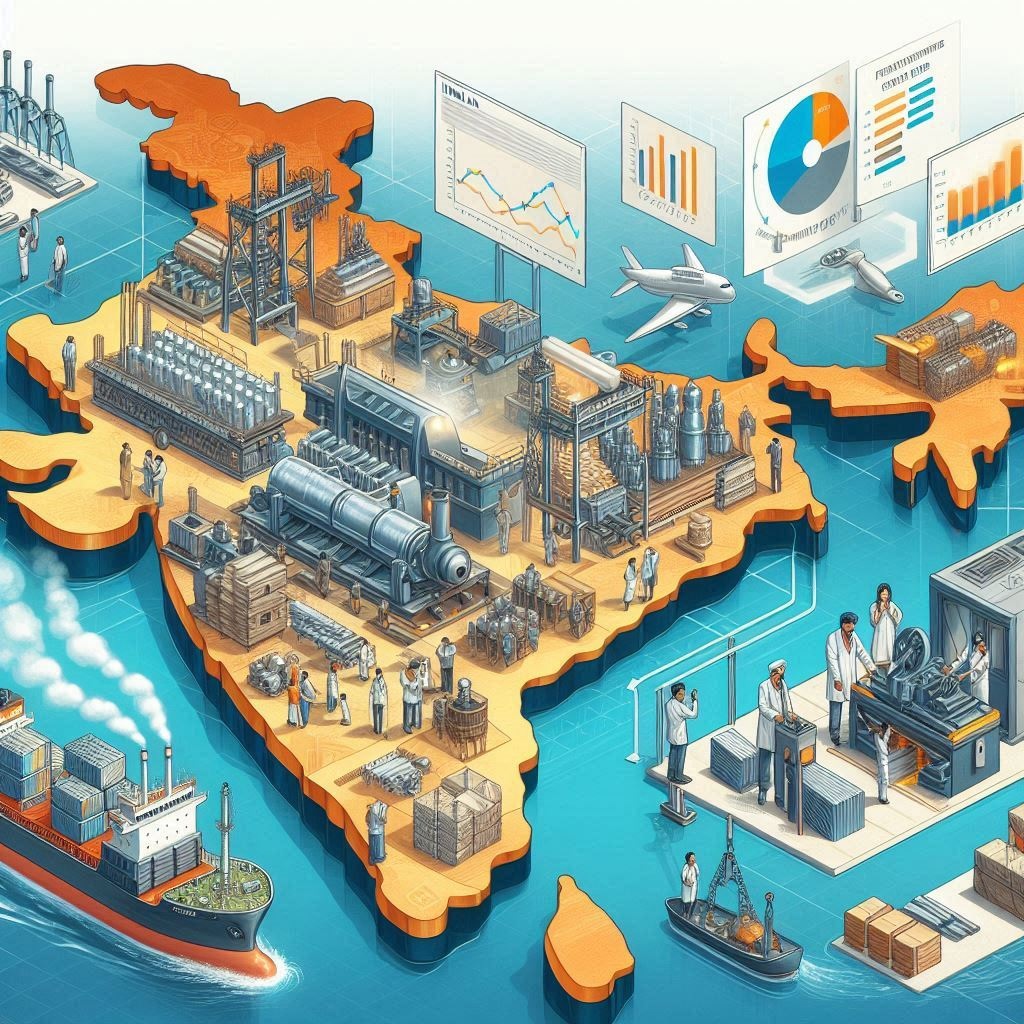
The potential for India’s export market for forging products is strong. In addition to the fact that global demand for high-quality, precision-engineered products continues to grow across multiple industries (namely automotive, aerospace, oil & gas, construction, railways and heavy machinery), India has a number of other advantages to its future as a forging exporter. India has low manufacturing costs relative to most other places in the world. Also, India has a highly skilled workforce and continues to adapt new advancements in forging technology to a high degree of success. As a result, India forms a very strong competitor in the international forging marketplace, particularly in North America, Europe and South East Asia. In addition to the competitive environment of the manufacturing sector in India, the Government of India is assisting in the development of India’s export market through programs such as Make in India, which encourages manufacturer to export their products and provides financial incentives for Indian manufacturers to increase the manufacturing capacity to meet growing demand for their products domestically and abroad.
Another trend that is increasing the demand for forged steel and aluminum forged components is the global trend toward developing lightweight and higher performance materials for electric vehicles, aircrafts and industrial equipment. Therefore, as the Indian forging market continues to experience continued growth, and with a portion of revenue of the Indian forging industry currently generated from exports, Indian forging exporters have access to numerous opportunities to expand in the world, through quality certifications, innovative technologies and partnerships with global OEMs.
How Forging exporters in India ensure timely deliveries globally?
Forging exporters India utilize production planning, supply chain management and logistics partnerships to deliver goods globally in a timely manner. To ensure smooth delivery and minimize relationships with manufacturers, export companies have used real-time integration between manufacturing and distribution centres through advanced technologies (e.g., an automated forging system or an Enterprise Resource Planning System). Manufacturers also utilize inventory management systems in which raw materials (e.g., alloy and aluminum) are tracked to eliminate disruptions in the supply chain. In addition to utilizing advanced technologies, manufacturers utilize preferred shipping and logistics partners (e.g., reputable transporters/custom brokers and freight forwarders) in cooperation with reputable freight forwarders to ensure compliance with customs regulations and requirements.
Quality assurance at all stages of production prevents the need for rework which delays the shipment of goods; digital order tracking provides the customer with access to real time order status updates. By having strong relationships with suppliers, implementing lean manufacturing processes, and conforming to international quality requirements; Indian forging exporters continue to fulfil their contractual obligations on time and maintain strong relationships with their customers.
Challenges faced by Forging exporters in India
There are a number of other factors besides raw material pricing that impact an Indian Forging Exporting Company’s competitive global advantage. As a consequence of the fluctuation in the pricing of the raw materials, such as alloy metals and steel, production costs and profit margins are impacted and ultimately pass through to the customer; as a result of that impact, the ability to export pricing is lowered than if the costs of the raw material were stable. Another challenge facing large Indian Forging Exporters is the high rate of еnеrgy use and rising еlеÑ�triÑ�ity costs, which are also contributing to operational expenses incurred by big forging units. Compliance with the international quality standards, certifications and documentations imposed on an Indian Forging Exporter can also be a complicated and time consuming process. Indian Forging Exporters also face logistics challenges related to shipping delays, port congestion, delivery delays due to fluctuating freight rates, etc. Finally, when firm, Indian Forging Exporters are also exposed to price pressure from other countries with much better manufacturing resources, given their comparably developed manufacturing infrastructures or development assistance and government subsidies. To counter these challenges, Indian Forging Exporters are focusing on modernizing their technology and manufacturing capabilities, improving supply chain management and creating efficiencies, improving their quality control systems, and pursuing the development of new expansion markets, while enabling them to achieve service levels that are consistent with the growth of the global forging industry.
Conclusion
According to many reports, the forge export industry of India has the potential to grow significantly over the next decade due to an increase in the needs of international customers for high-quality forged parts. Technological developments and enhanced emphasis on quality standards will continue to drive demand for new opportunities in the sector. Additionally, effective management of distribution chains and provision of dependable logistics services to customers will result in an increase in the ability of businesses to establish strong working relationships with international customers, expanding the number of possibilities for future success.
The challenges that may interfere with the growth of the industry, such as price fluctuations for raw materials, high energy prices, and competition from other countries will continue to provide opportunities for innovation and improvement through the process, and compliance with various international certifications, allows India to remain competitive. The combination of quality products, cost efficiency, and technical advancements will enable India’s forging export market to grow sustainably and contribute significantly to the growth of manufacturing throughout the world.